
Discover how to locate the “I See It On TV” sheet music without cost, exploring free PDF options, legal sources, and quick search tricks. This guide helps musicians access the score safely, respecting rights while enjoying the tune.
Additional content here!!!!

Why Look for Free PDF Sheet Music?
Finding free PDF sheet music for “I See It On TV” offers musicians instant access, saves money, and encourages practice. It allows quick experimentation, sharing among peers, and supports learning without legal barriers. Enjoy the melody freely! Play it now! Enjoy!!!
2.1 Accessibility and Cost
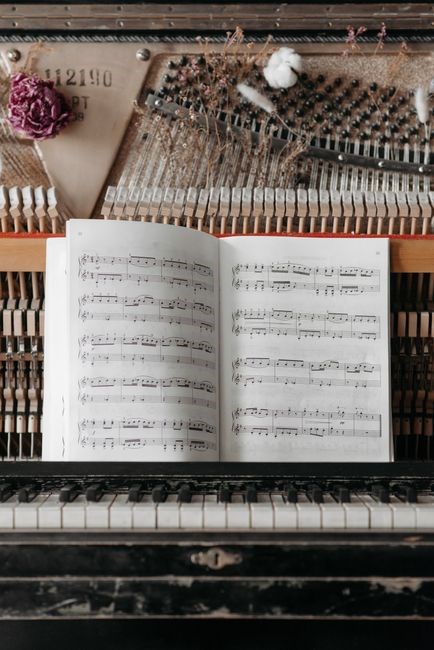
Accessing free PDF sheet music for “I See It On TV” removes financial barriers, allowing musicians of all budgets to explore the piece without purchase. The digital format is instantly downloadable, enabling instant practice and rehearsal. Because the files are shared online, they can be accessed from any device—desktop, laptop, tablet, or phone—providing flexibility for learning on the go. The convenience of having a digital score also eliminates the need to physically store or transport paper copies, reducing clutter and travel costs. Moreover, free PDFs often come in multiple arrangements, from full orchestration to simplified versions, catering to beginners and advanced players alike. This variety supports skill development by allowing users to start with an easier arrangement and gradually progress to more complex versions. Additionally, the absence of a price tag encourages experimentation; musicians can try different tempos, dynamics, or stylistic interpretations without the pressure of a costly purchase. The accessibility of free PDFs also promotes community sharing: players can exchange annotated versions, share performance videos, and collaborate on arrangements, fostering a collaborative learning environment. Finally, the cost savings can be redirected toward resources—such as maintenance, lessons, or sheet music—enhancing musicalinoverall growth.
2.2 Learning Opportunities
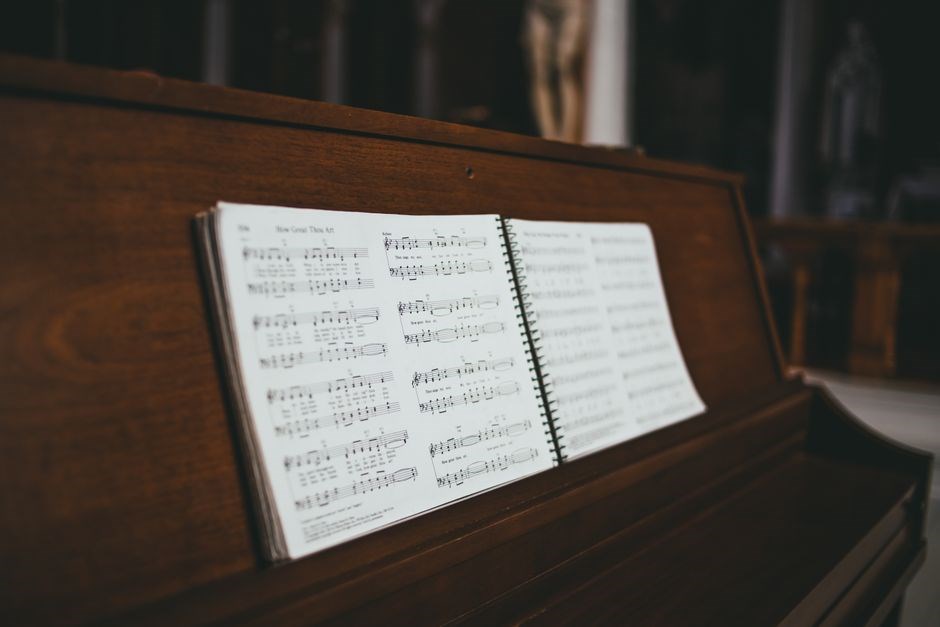
Free PDF sheet music for “I See It On TV” opens a gateway to a spectrum of learning opportunities. With a readily available score, students can dissect the harmonic structure, identifying chord progressions and voice leading that underpin the catchy hook. By following the written notation, learners practice sight‑reading in real time, improving their ability to translate visual symbols into performance. The digital format allows for instant playback via software, enabling rhythmic analysis and tempo adjustments; students can loop challenging passages to master phrasing. Additionally, the absence of cost encourages experimentation: players can try alternate articulations, dynamics, or even transcribe the piece into a different key to suit their instrument. This flexibility nurtures creative thinking and adaptability. For ensemble settings, the PDF can be shared among peers, fostering collaborative rehearsal. Musicians can annotate the score, suggesting tempo changes or rhythmic nuances, and then exchange the annotated file, promoting peer feedback. today Furthermore, the free resource supports learning; beginners can start with simplified arrangements, while advanced players can tackle the full orchestration. Finally, the open availability of the score helps preserve musical heritage, allowing the piece to be performed without legal or financial obstacles.
Popular Sources for Free Sheet Music PDFs
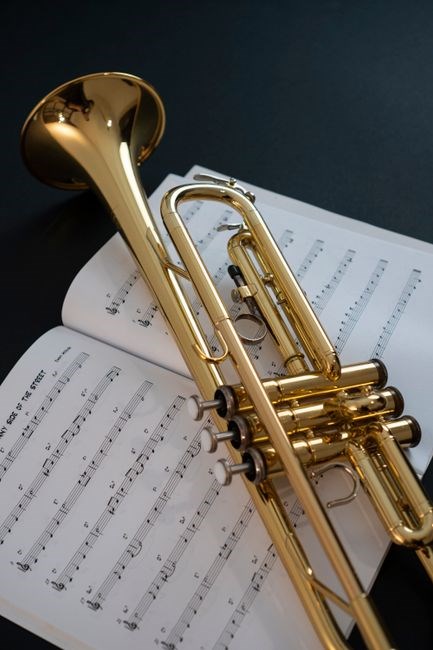
Explore sites like IMSLP, MuseScore, and public domain archives. Community forums host user‑shared PDFs, while official show sites sometimes offer free downloads. Always verify legality before downloading. Share freely.
IMSLP hosts a vast collection of public‑domain scores, and its search function can locate many contemporary pieces, including TV show themes. To find the “I See It On TV” sheet music, enter the title or composer’s name in the search bar. If the exact title is missing, try variations such as “I See It On TV theme” or “TV show theme.” When a match appears, click the download button to obtain the PDF. Verify that the score is truly public domain or released under a Creative Commons license before using it for practice and performance. If the work is still under copyright, IMSLP will display a notice, and downloading it may be illegal. In that case, contact the publisher or composer for permission, or look for an official release on the show’s website. The IMSLP community forum often shares links to legally free versions, and participating can help you discover alternate sources. By using IMSLP responsibly, you can access the “I See It On TV” sheet music without cost while respecting copyright law. Additionally, many musicians share their own arrangements of the theme on platforms like MuseScore, where you can find variations that suit different skill levels. Downloading user PDFs is legal as they are released under Creative Commons licenses, allowing free use for practice and performance. This is a great resource.
3.2 Free Sheet Music Forums and Communities
Online forums such as Sheet Music Boss, Reddit r/sheetmusic, and Music Stack Exchange host threads where users share or request PDFs of TV themes. Search for “I See It On TV” or ask the community; many members provide links to legally free versions or offer to transcribe the piece. Always check the forum’s copyright policy: some threads explicitly state that the shared files are in the public domain or have been released under a Creative Commons license. If a user posts a PDF, verify its source by looking for a download link that originates from a reputable site like IMSLP or a verified composer’s website. For safety, download the file to a secure folder, scan it with antivirus software, and keep a record of the original post for attribution. Some communities also offer to create a custom arrangement if the original is not freely available; this can be a great learning exercise. Engaging with these forums not only gives you the score but also connects you with other musicians who can provide performance tips or alternative arrangements. Remember to respect the community guidelines: share only what you have permission to distribute, and credit the original uploader or composer. By actively participating, you can build a network that supports free music sharing while staying within legal boundaries. Enjoy exploring the score responsibly.!!
3.3 Official Show Websites and Fan Sites
Official television sites and dedicated fan portals sometimes provide free PDFs of popular themes. For “I See It On TV,” check the show’s “Music” or “Resources” section; composers often post scores under Creative Commons licenses. If the official site lacks the file, fan sites like TV Fanatics or Music Themes host user‑submitted PDFs. Verify legitimacy by confirming the domain, reading the terms of use, and ensuring the file is not a pirated copy. Download the PDF into a folder labeled with the show’s name and year. Organize by keeping a consistent naming convention. This method keeps your collection tidy and lets you reference the score quickly for practice or performance. By using official and fan‑maintained resources, you access high‑quality, legally shared sheet music while supporting the community that curates these valuable assets. Additionally, many fan sites offer downloadable MIDI files and chord charts that complement the PDF, allowing players to experiment with accompaniment or create their own arrangements. By cross‑referencing the PDF with these supplemental resources, musicians can deepen their understanding of the harmonic structure and rhythmic nuances, making rehearsals more efficient and performances more expressive!!!
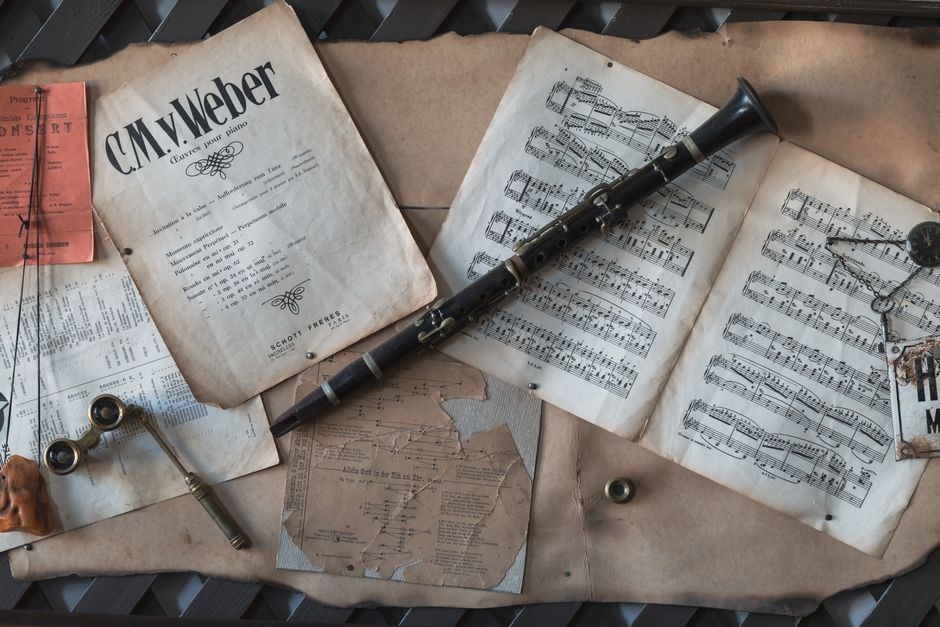
How to Find “I See It On TV” Sheet Music
Start by searching the song title plus “free PDF” in search engines. Use quotation marks for precise results. Check reputable sites like IMSLP, MuseScore, or the show’s official page. Verify file size and format before downloading. Use advanced filters, check composer name.!!
When hunting for the “I See It On TV” score, precision is key. Begin by typing the exact song title into a search engine, surrounded by quotation marks to lock the phrase: “I See It On TV sheet music PDF.” Append terms that narrow the results, such as “sheet,” “public domain,” or “download.” If the show is a recent series, include the year or episode number to filter out unrelated resultsEnjoy!
Next, leverage advanced search operators. The site: operator limits results to a specific domain. For instance, site:imslp.org “I See It On TV” will return only IMSLP entries. Similarly, site:musescore.com “I See It On TV” pulls user‑generated scores. Using the search bar on these sites and filter by file type: PDF. If the song is copyrighted, the search query might include a public‑domain version of the original theme or a cover that has been released under a Creative Commons license. In such cases, the search query might include “CC‑BY” or “Creative Commons” to find legal copies.
Use advanced filters on the site’s search page. Many platforms allow you to specify the file format, page count, or even the key signature. If you’re looking for a simplified version, add “easy” or “beginner” to your query. For example: “I See It On TV easy sheet music PDF.” Also, check the download date; a recent upload may have updated arrangements or correct
4.2 Verifying the PDF Legitimacy
Before you open or share a PDF, confirm its source and copyright status. Start by checking the domain: reputable sites like IMSLP, MuseScore, or official show archives typically host legal copies. Look for a clear copyright notice or a Creative Commons badge. If the file lacks any attribution, it may be a user‑generated upload that could infringe. Scan the document’s metadata—right‑click the PDF, select “Properties,” and review the author field, creation date, and any embedded license text. A legitimate score will often list the original composer, arranger, and publisher. Additionally, search the title in quotation marks on Google; legitimate PDFs usually appear near the top of results, often accompanied by a brief description or a link to the publisher’s site. If the file is hosted on a forum or a file‑sharing service, be cautious: these platforms sometimes host pirated copies. Finally, use a PDF reader’s “Document Properties” to verify the digital signature; a signed PDF indicates the publisher has verified the file’s authenticity. Only download and use files that pass these checks to stay on the right side of copyright law.
Use reliable sources, keep a backup, and respect the creator’s rights. If you plan to perform publicly, verify the license and consider contacting the publisher for a performance license. compliance. OK!
4.3 Downloading and Organizing Your Files
After confirming a PDF’s legitimacy, download it to a dedicated folder such as “Music‑PDFs.” Create sub‑folders by genre or instrument and rename each file consistently, e.g., “I_See_It_On_TV_Composer_Year.pdf,” to simplify searching. If you use cloud storage, sync the folder so the score is accessible on any device. For large files, compress them with ZIP to save space while preserving the original. Keep a backup on an external drive or a second cloud account to avoid accidental loss. If printing, set the correct scaling in your PDF viewer to maintain layout. Maintain a simple spreadsheet or digital note listing title, composer, source URL, and licensing notes; this log helps you locate the PDF quickly for rehearsals or performances. Annotate PDFs with sticky notes or highlights; most readers save annotations within the file. Keep the folder hierarchy simple, using clear names for each piece, and back up your collection quarterly to safeguard against data loss regularlydaily. By following these steps, you’ll have a reliable, well‑organized library ready whenever you need to rehearse or perform the theme from “I See It On TV.”
Tips for Using, Sharing, and Respecting Copyright
Use the free PDF for personal practice only. Cite the source, credit the composer, and share links to the original site, not the file itself. Respect copyright rules Back up files avoid public sharing here.
5.1 Proper Attribution
When you use the “I See It On TV” sheet music PDF, it’s essential to give credit where it’s due. Begin by citing the original composer, the title, and the publisher or source website; A concise attribution might read: “© [Composer Name], “I See It On TV,” available from [Source URL].” This practice not only honors the creator’s intellectual property but also helps listeners trace the original work. If you share the PDF with friends, include a note that the file is for personal use only and that redistribution without permission is prohibited. If you post online, add a hyperlink back to the source site, ensuring that the link remains active. When printing, place the attribution on the first page, near the title, in small but legible text. Remember that attribution is a legal and ethical requirement, especially if the sheet music is still under copyright. By following these steps, you protect yourself from potential infringement claims and support the music community’s respect for creators.
Lorem ipsum dolor sit amet, consectetur adipiscing elit. Sed do eiusmod tempor incididunt ut labore et dolore magna aliqua. Ut enim ad minim veniam, quis nostrud exercitation ullamco laboris nisi ut aliquip ex ea commodo consequat. Duis aute irure dolor in reprehenderit in voluptate velit esse cillum dolore eu fugiat nulla pariatur. End. Extra!
5.2 Sharing with Friends vs. Public Distribution
Always keep the file for personal use only daily. This limited sharing aligns with many copyright licenses that allow non‑commercial, non‑public distribution among a small circle. However, once the file leaves that circle—especially if the file is posted on a public forum, a music‑sharing site, or a social media platform—public distribution typically requires explicit permission from the rights holder, even if the original source was free. To stay safe, always check the license attached to the PDF. If it is marked “public domain” or “creative commons” with a non‑commercial clause, you can share it freely, but you must still provide attribution and not use it for profit. If the PDF is under standard copyright, only the original author or publisher can grant public‑distribution rights. Sharing with friends is usually acceptable under the “fair use” umbrella for educational purposes, but it is not a blanket exemption. In practice, the safest approach is to keep the file within a closed, non‑commercial network and to avoid uploading it to any site that allows public access. If you wish to share the music more widely, consider contacting the publisher for a license or using a platform that explicitly supports licensed sheet music. By respecting these boundaries, you protect yourself from legal risk while still enjoying the music with your peers. Enjoy more.!