Musical Instruction to Play Slowly: A Crossword & Music Theory Guide
Navigating musical terminology within crossword puzzles often involves deciphering tempo markings! Common clues center around instructions for a slower pace, like “Musical instruction to play at a moderately slow tempo.”
Understanding Tempo Markings in Music
Tempo markings are crucial indicators for musicians, dictating the speed at which a piece should be performed. These markings, often Italian in origin, provide a standardized way to communicate the composer’s intended pace. When encountering a crossword clue like “Musical instruction to play slowly,” recognizing these terms becomes essential.
Common tempo markings signifying slowness include adagio and largo, with andante representing a moderately slow pace. Understanding the nuances between these terms – for example, largo being generally slower than adagio – is key.
Furthermore, tempo is often expressed using beats per minute (BPM), providing a precise metronomic guide. A clue asking for a “slow tempo” might lead to answers like these, or even French/German equivalents like lent or langsam. Recognizing these variations expands your crossword-solving and musical knowledge!
The Core Clue: “Musical Instruction to Play Slowly”
The crossword clue “Musical instruction to play slowly” frequently appears, testing solvers’ knowledge of musical terms. This seemingly simple prompt unlocks a range of possible answers, primarily rooted in Italian tempo markings. Solutions often include adagio, signifying a slow and graceful tempo, or largo, denoting a very slow and stately pace.
However, the clue’s generality allows for variations. Andante, meaning moderately slow, can also be a correct answer, depending on the puzzle’s specific context.
Crossword constructors often employ synonyms or related concepts, like “slow musical movement,” to add complexity. Successfully deciphering this core clue requires familiarity with these terms and their associated meanings within the realm of musical performance and theory.
Common Answers in Crossword Puzzles
When encountering a “musical instruction to play slowly” crossword clue, several answers consistently emerge as likely solutions. Adagio is a frequent response, representing a tempo that is slow and graceful, typically around 65-75 beats per minute. Closely following is Largo, indicating an even slower, more stately pace.
Andante also appears often, signifying a moderately slow tempo – not hurried, but not as deliberate as adagio or largo. These Italian terms form the bedrock of tempo markings.
Puzzle creators may also accept less common, but valid, answers depending on the clue’s phrasing and the puzzle’s difficulty. Recognizing these core terms significantly increases your chances of success when tackling these musical crosswords!
Adagio: A Detailed Examination
Adagio, a cornerstone of slow tempo markings, frequently appears as the solution to “musical instruction to play slowly” crossword clues. Originating from Italian, adagio translates to “slowly” or “at ease.” Musically, it dictates a tempo typically ranging from 65 to 75 beats per minute (BPM), though interpretations can vary.
Composers employ adagio to evoke feelings of serenity, contemplation, or even melancholy. It’s often used in slow movements of sonatas, symphonies, and concertos. The instruction calls for a graceful and expressive performance, prioritizing lyrical phrasing over briskness.
Understanding adagio’s nuance is crucial not only for crossword solvers but also for musicians seeking to accurately interpret and perform pieces marked with this tempo indication.
Largo: Exploring the Slowest Tempo
Largo represents one of the slowest tempo markings in music, often appearing in crossword puzzles as a solution for “slow tempo” or “musical instruction to play slowly.” Derived from Italian, largo signifies “broadly” or “slowly,” demanding a stately and deliberate performance.
Typically, largo falls within the range of 40 to 60 beats per minute (BPM), creating a sense of grandeur and solemnity. Composers utilize this tempo to convey weightiness, reverence, or profound emotion. It’s frequently found in the opening movements of Baroque works or in passages intended to be particularly expressive.
Recognizing largo is essential for both crossword enthusiasts and musicians, as it represents the extreme end of the slow tempo spectrum, requiring careful attention to phrasing and dynamics.
Andante: Moderately Slow and Moving
Andante, frequently encountered in crossword clues referencing “slowly, in music” or a “moderately slow tempo,” occupies a middle ground between adagio and faster paces. Meaning “walking pace” in Italian, andante suggests a graceful and flowing movement, akin to a leisurely stroll.
Generally, andante falls within the BPM range of 76-108, offering a comfortable and expressive tempo. It’s a versatile marking, suitable for lyrical melodies and passages requiring a sense of gentle forward motion. Crossword solvers will find it as a common answer when the clue indicates a pace that isn’t overly slow, but certainly isn’t fast.
Understanding andante’s nuance is crucial; it’s not simply “slow,” but rather a deliberate and measured pace, inviting musicality and phrasing.
Tempo Markings Beyond the Basics
While adagio, largo, and andante frequently appear in crossword puzzles as “slow tempo” indicators, a broader range of markings exists. These less common terms offer more precise shades of slowness, challenging crossword enthusiasts and deepening musical understanding.
Grave, for instance, signifies an extremely slow and solemn tempo, often used in funeral marches or deeply serious compositions. Lento denotes “very slow,” but generally faster than largo, providing a subtle distinction. Recognizing these nuances is key to solving more complex clues.
Beyond Italian, French (like lent) and German (langsam) equivalents further expand the possibilities. Successfully navigating these terms requires familiarity with musical terminology and a willingness to explore beyond the most basic tempo markings.
Grave: Extremely Slow and Solemn
The tempo marking grave, originating from the Italian word meaning “serious,” dictates an exceptionally slow and dignified pace. Often encountered in crossword puzzles as a descriptor of a “slow musical movement,” grave evokes a sense of solemnity and weight. It’s considerably slower than even largo, demanding a deliberate and respectful performance.
Musically, grave is typically around 20-40 beats per minute (BPM), creating a profound and often mournful atmosphere. Composers employ this tempo to convey deep emotion, frequently in funeral marches or passages intended to inspire reverence.
When faced with a crossword clue referencing a “very slow tempo” or “solemn pace,” grave should be a strong consideration, especially if the clue hints at a serious or mournful context.
Lento: Very Slow, but Less So Than Largo
Lento, an Italian tempo marking, translates to “slowly” and signifies a pace that is indeed very deliberate, yet slightly faster than largo – often appearing in crossword clues related to “slow tempo” indications. It occupies a space between the extreme slowness of grave and largo, and the more moderate slowness of adagio.
Typically, lento falls within the range of 40-60 beats per minute (BPM). This tempo allows for expressive phrasing and a sustained, flowing quality. While still demanding careful attention to detail, lento offers a bit more flexibility than its slower counterparts.
Crossword solvers should consider lento when clues suggest a “very slow” pace, but don’t explicitly indicate the slowest possible tempo. It’s a nuanced instruction for a measured and thoughtful performance.
Italian Tempo Markings: The Foundation
Italian terms form the bedrock of tempo markings in Western music, frequently appearing in crossword puzzles as clues for “slow tempo” or “musical instruction.” Terms like adagio, largo, and andante are instantly recognizable to musicians and crossword enthusiasts alike. These words aren’t merely descriptive; they carry historical weight and precise implications for performance.
The prevalence of Italian terms stems from Italy’s historical dominance in musical innovation during the Baroque and Classical periods. Composers standardized these terms to communicate their desired speeds to performers. Understanding these core Italian markings is crucial for both playing music and solving related crossword clues.
When encountering a clue referencing “slowly, in music,” or a “slow musical movement,” Italian terms are the most likely solutions. Recognizing this foundation significantly aids in deciphering these musical puzzles.
French and German Tempo Equivalents
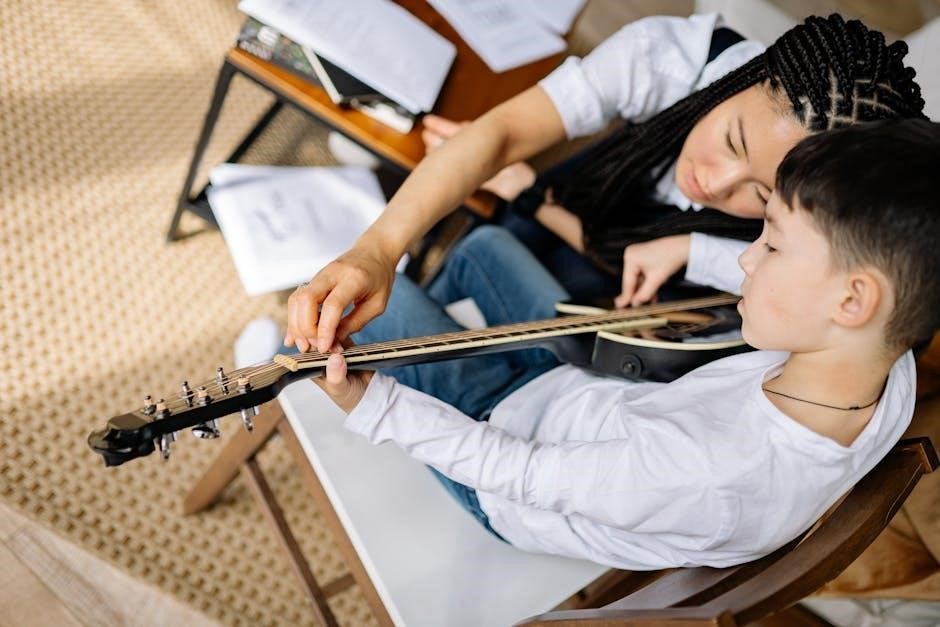
While Italian terms dominate tempo markings, French and German offer equivalent instructions, occasionally appearing in crossword puzzles to add complexity. French uses terms like lent, directly translating to “slow,” mirroring the effect of adagio or largo. Recognizing these equivalents expands your crossword-solving toolkit.
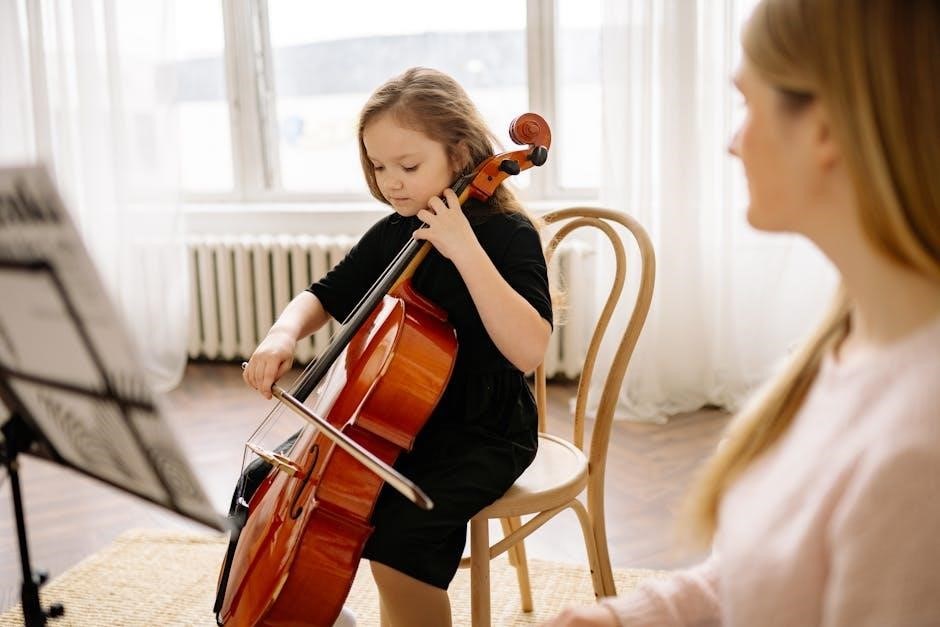
German employs words such as langsam, also meaning “slow,” and often corresponds to similar tempos as its Italian and French counterparts. These languages’ contributions demonstrate the international nature of musical terminology, though Italian remains the most common in scores and puzzles.
Crossword clues might test your knowledge by presenting these less frequent terms. Being aware of these translations—lent for slow, langsam for slow—can unlock solutions when Italian terms don’t fit the clue’s context.
French Tempo Markings (e.g., Lent)
French tempo markings, while less prevalent in modern scores than Italian, frequently appear in historical compositions and, importantly, in crossword puzzles designed to test musical knowledge. Lent is a primary example, directly translating to “slow” and functioning similarly to adagio or largo. Recognizing lent as a synonym for a slow tempo is crucial.
Other French terms include très lent (“very slow”), intensifying the slowness, and modérément lent (“moderately slow”), aligning with andante. Crossword clues might cleverly use these phrases, requiring solvers to recall their French origins and corresponding speeds.

Understanding these terms broadens your ability to decipher clues like “Slowly, in French music,” where lent would be the direct and correct answer. Familiarity with French tempo markings adds another layer to your crossword-solving skills.
German Tempo Markings (e.g., Langsam)
German tempo markings, like their French counterparts, offer alternative vocabulary for describing musical speed, often appearing in crossword puzzles as a test of broader musical literacy. Langsam is a key term, directly translating to “slow” and functioning as a German equivalent to adagio or lento. Recognizing this equivalence is vital for puzzle solvers.
Further German terms include sehr langsam (“very slow”), emphasizing a particularly deliberate pace, and mässig langsam (“moderately slow”), corresponding to andante. Crossword clues may present these phrases, demanding recall of their German origins and associated tempos.
Being familiar with these terms expands your ability to tackle clues such as “Slowly, in German music,” where langsam would be the precise and correct solution. Knowledge of German tempo markings enhances your crossword proficiency.

Beats Per Minute (BPM) and Metronome Markings
Understanding Beats Per Minute (BPM) is crucial when interpreting tempo markings, especially when solving crossword clues related to musical speed. A metronome provides a precise BPM, quantifying tempo instructions like adagio or largo. For instance, adagio typically falls around 65-75 BPM, offering a concrete numerical reference.
Crossword puzzles might present clues like “Metronome marking for a slow tempo,” requiring knowledge of typical BPM ranges. Largo, the slowest tempo, generally resides below 60 BPM. Recognizing these BPM associations bridges the gap between Italian terms and practical application.
Metronome markings, often seen as ‘♩ = [number]’, directly indicate the BPM. Solving clues involving these markings demands familiarity with the relationship between tempo words and their corresponding numerical values, enhancing puzzle-solving skills.
The Role of the Metronome in Slow Practice
The metronome is an invaluable tool when practicing at slower tempos, directly relating to crossword clues about “musical instruction to play slowly.” It enforces consistent timing, revealing inaccuracies often masked at faster speeds. When tackling pieces marked adagio or largo, a metronome ensures adherence to the intended BPM (typically 65-75 BPM for adagio, below 60 BPM for largo);
Slow practice, guided by a metronome, builds a strong rhythmic foundation. This is vital for accurately interpreting and performing music described in crossword puzzles. It allows musicians to focus on precision, articulation, and musicality, elements easily overlooked when rushing.
Using a metronome isn’t about rigidity; it’s about developing internal timing. Gradually increasing the tempo, while maintaining accuracy, solidifies rhythmic control, improving overall musical performance and crossword-solving comprehension.
Why Slow Practice is Crucial for Musicians
Slow practice, often indicated by crossword clues like “musical instruction to play slowly,” is foundational for musical growth. It allows musicians to meticulously address technical challenges, building accuracy and precision that faster tempos conceal. This deliberate approach fosters a deeper understanding of the music’s structure and nuances.
Beyond technique, slow practice enhances musicality and expression. It provides space to refine phrasing, dynamics, and articulation, resulting in a more compelling performance. Musicians can truly feel the music, rather than simply playing the notes.
Successfully navigating tempo markings – adagio, largo, andante – as seen in crossword puzzles, requires this focused, slow practice. It’s not merely about playing slowly; it’s about maximizing learning and artistic interpretation.
Developing Accuracy and Precision
When tackling a crossword clue referencing a “slow tempo,” like those involving adagio or largo, understanding its impact on practice is key. Slowing down reveals inaccuracies often masked by speed. Each note, rhythm, and dynamic marking becomes distinct, allowing for focused correction.
This deliberate practice builds muscle memory and reinforces correct technique. Repeatedly executing passages slowly and accurately ingrains the proper movements, minimizing errors when the tempo increases. It’s about establishing a solid foundation of precision.
Furthermore, slow practice cultivates attentive listening. Musicians become acutely aware of intonation, tone quality, and rhythmic stability, leading to a more polished and refined performance. It’s a crucial step towards mastering musical expression.
Improving Musicality and Expression
While crossword clues might define slow tempos like andante or lento as simply “slowly,” their true purpose extends far beyond mere speed. Practicing at a reduced tempo unlocks a deeper understanding of the music’s emotional core, fostering enhanced musicality.
Slower speeds provide space for nuanced phrasing, dynamic shaping, and articulation. Musicians can experiment with subtle variations in touch and timing, bringing out the composer’s intended expression. It allows for a more thoughtful and intentional performance.
This deliberate approach cultivates a stronger connection between the performer and the music. By internalizing the emotional landscape at a slower pace, musicians can then convey it with greater authenticity and impact when playing at the intended tempo.
Crossword Clue Variations: “Slow Tempo”
Crossword puzzles frequently employ diverse phrasing for the same musical concept. Beyond “Musical instruction to play slowly,” solvers might encounter clues like “Slow musical movement” or “Slowly, in music.” These variations test a broader understanding of tempo terminology.
Clues can also be more indirect, referencing the effect of a slow tempo, such as “Solemn pace” or “Languid speed.” Recognizing these connections requires familiarity with the emotional qualities associated with different tempos.
Pay attention to the number of letters indicated, as this narrows down the possibilities. Common answers include adagio, largo, and lento, but less frequent terms like grave might also appear. Context within the puzzle can provide valuable hints!
Related Crossword Clues & Solutions
Expanding your musical vocabulary aids in solving related crossword clues. For instance, “Slow Musical Tempo” frequently yields solutions like adagio or largo. Clues referencing musical direction, such as “Musical direction indicating a very slow tempo (5),” often point to lento.
Consider clues focusing on tempo types. A clue like “Italian tempo marking for slow” almost certainly seeks adagio. Recognizing that many tempo markings originate in Italian is a helpful strategy.
Don’t overlook clues describing the performance style. “Played slowly and gracefully” might lead to adagio, while “broad and slow” suggests largo. Crossword constructors often utilize descriptive language to guide solvers towards the correct answer.
“Slow Musical Movement”
The crossword clue “Slow Musical Movement” frequently seeks tempo markings denoting a deliberate, unhurried pace. Adagio is a prime solution, representing a graceful and slow tempo, typically around 65-75 beats per minute. However, largo also fits, signifying an even slower, more stately movement.
Understanding that musical movements aren’t just sections of a composition, but also tempos is key. The clue isn’t asking for a part of a symphony; it’s asking for a term describing a slow speed.
Consider the length of the answer. A five-letter solution strongly suggests adagio, while a six-letter answer might be largo. Context within the puzzle—intersecting letters—will further refine your choice.
“Slowly, in Music”
When a crossword puzzle asks for “Slowly, in Music,” it’s directly probing your knowledge of Italian tempo markings. The most common and direct answer is adagio, a term instructing performers to play with a slow, graceful tempo. However, don’t immediately dismiss other possibilities!
Largo, indicating a very slow and broad tempo, is also a strong contender. The clue’s simplicity can be deceptive; consider the number of letters required by the grid. A six-letter answer leans towards adagio, while a five-letter solution might point to lento, meaning simply “slow.”
Remember that crossword constructors often utilize synonyms or related terms to add complexity. Think beyond the most obvious answer and consider the overall puzzle theme for potential hints.
Historical Context of Tempo Markings
The use of Italian terms to denote tempo – including those indicating slowness like adagio and largo – arose during the Baroque period (roughly 1600-1750); Italian composers heavily influenced musical practice across Europe, and their terminology became standardized. Initially, these terms were more descriptive than precise, relying on the performer’s interpretation.
Early tempo indications were often relative, suggesting a character or affect rather than a strict speed. Over time, composers began to associate these terms with approximate metronomic values, though considerable ambiguity remained. The development of the metronome in the early 19th century aimed to provide greater precision, but even today, interpretation plays a vital role.
Understanding this historical evolution is crucial when encountering tempo clues in crosswords, as the definitions have subtly shifted over centuries.
Tempo and Dynamics: A Combined Approach
Tempo and dynamics are inextricably linked in musical expression. A slow tempo, indicated by terms like adagio or largo, often invites a broader dynamic range and greater attention to subtle nuances. Conversely, a faster tempo might necessitate a more restrained dynamic approach.
When solving crossword clues related to slow tempos, consider how dynamics contribute to the overall musical effect. A slow tempo paired with a piano (soft) dynamic creates a sense of intimacy and introspection, while a slow tempo with a forte (loud) dynamic can convey solemnity or grandeur.
Recognizing this interplay enhances musical understanding and can aid in deciphering clues that hint at both tempo and expressive qualities. The most effective musical performance considers both elements simultaneously.
Resources for Learning More About Tempo
Expanding your knowledge of tempo markings and musical theory is readily achievable through numerous online and offline resources. Websites like Teoria.com offer interactive exercises and comprehensive explanations of musical concepts, including tempo and dynamics.

For crossword enthusiasts, dedicated crossword solver websites and apps can provide historical clue data and solution patterns, aiding in recognizing common tempo-related answers like adagio and largo.
Music theory textbooks and online courses provide in-depth coverage of tempo, meter, and their impact on musical expression. Furthermore, exploring musical scores and actively listening to diverse musical genres will cultivate a deeper understanding of how composers utilize tempo to convey emotion and meaning.