
Coca-Cola Collectibles Price Guide: An Overview (Updated December 31, 2025)
Today, December 31, 2025, marks a pivotal moment for Coke enthusiasts, as a century of advertising and bottles fuels collector passion and value.

Embarking on the journey of Coca-Cola collecting is diving into a vibrant world steeped in American history and pop culture. For over a century, Coca-Cola has not only quenched thirst but also captured imaginations, resulting in a vast and diverse range of collectibles. This guide serves as an initial exploration for both novice and seasoned collectors, offering insights into the factors that drive value and desirability within this fascinating hobby.
The appeal lies in the brand’s enduring presence and clever marketing. From iconic advertising signs and charming cardboard trays to distinctive bottles and whimsical promotional items, each piece tells a story. Google’s vast information network and platforms like YouTube demonstrate the widespread interest and community surrounding Coca-Cola memorabilia. Understanding the historical context, production details, and current market trends is crucial for successful collecting.
This guide will help navigate the exciting landscape of Coke collecting, providing a foundation for building a rewarding and potentially valuable collection.
Historical Overview of Coca-Cola Collectibles
The story of Coca-Cola collectibles mirrors the brand’s evolution, beginning in the late 19th century with the introduction of the beverage itself. Early promotional materials were rudimentary, but quickly evolved alongside Coca-Cola’s growing popularity. The shift from Hutchinson bottles to straight-sided and, crucially, the iconic contour bottle in 1915, marked a turning point, creating instantly recognizable and collectible forms.
The early 20th century witnessed an explosion of advertising, with tin signs and cardboard trays becoming ubiquitous. These items weren’t initially intended as collectibles, but their vibrant designs and association with a beloved brand ensured their survival. The rise of mass media and innovative marketing campaigns further fueled the creation of a diverse range of promotional items.
Today, platforms like Google and YouTube facilitate the sharing of knowledge and appreciation for these historical artifacts, connecting collectors worldwide and driving continued interest in Coca-Cola’s rich heritage.
Bottles: A Core Collectible
Coca-Cola bottles represent a foundational element for collectors, evolving from Hutchinson designs to the famed contour shape, embodying over a century of history.
Early Hutchinson Bottles (1890s-1910s) ⎯ Pricing & Rarity
Hutchinson bottles, the earliest forms of Coca-Cola packaging from the 1890s through the 1910s, command significant attention from collectors due to their limited production and historical importance. These bottles, sealed with a unique stopper system, represent the dawn of bottled Coca-Cola. Pricing varies dramatically based on condition, rarity of the embossing, and geographic origin.

Bottles in pristine condition, exhibiting clear embossing and minimal wear, can fetch prices ranging from $500 to $3,000 or more at auction. Variations featuring specific town or distributor names are particularly valuable, sometimes exceeding $5,000. Common examples in poorer condition may sell for around $100-$300. Authenticity is crucial; reproductions exist, so careful examination is essential. Factors like color variations (amber is common, but clear examples are rarer) and the presence of original labels also influence value. The demand for these early pieces continues to grow, making them a cornerstone of any serious Coca-Cola bottle collection.
Straight-Sided Bottles (1915-1950s) ⎯ Variations & Value
Straight-sided Coca-Cola bottles, produced from the mid-1910s through the 1950s, offer a diverse range of collectible opportunities. While less rare than Hutchinson bottles, variations in embossing, glass color, and regional markings significantly impact their value. Early examples with the “Mae West” embossing (due to the shape resembling the actress’s figure) are highly sought after.
Pricing generally ranges from $50 to $500, depending on these factors. Bottles with unique city or plant markings, or those in exceptional condition, can command higher prices, potentially reaching $1,000. Color variations, such as those produced during wartime with limited resources, also add value. Later straight-sided bottles are generally more common and less expensive. Identifying the plant code on the bottle’s base helps determine its origin and potential rarity. Careful inspection for damage and originality is vital for accurate valuation.
Contour Bottles (1915-Present) ⎯ Identifying Key Dates & Editions

The iconic contour bottle, introduced in 1915, remains a cornerstone of Coca-Cola collecting. Identifying key dates and editions is crucial for determining value. Early versions, particularly those from the 1915-1920 period, are highly prized, often fetching $200 ⎯ $800 depending on condition and embossing clarity.
Limited-edition releases, such as those commemorating the Olympics or special anniversaries, command significant premiums. Bottles from the 1950s and 60s, featuring variations in neck size and base markings, are also popular. Look for bottles with original caps and labels, as these greatly enhance value. Condition is paramount; pristine examples are worth considerably more. Recent commemorative bottles generally have lower values, but may appreciate over time. Researching specific edition details is essential for accurate appraisal.

Advertising: Signs, Trays & More
Vintage Coca-Cola advertising, including vibrant tin signs and cardboard trays, represents a significant segment of the collectibles market, driving substantial collector demand.
Tin Signs: Early 20th Century ⎯ Condition & Demand
Early 20th-century Coca-Cola tin signs are highly prized by collectors, representing a golden age of advertising artistry and brand establishment. Their value is heavily influenced by condition; signs exhibiting minimal rust, vibrant colors, and original mounting holes command premium prices. Signs with significant damage, fading, or restoration typically sell for considerably less.
Demand for these signs remains consistently strong, fueled by their aesthetic appeal and historical significance. Rare variations, such as those advertising specific promotions or featuring unique artwork, are particularly sought after. Signs depicting early Coca-Cola imagery, like the iconic maiden or early bottle shapes, often fetch top dollar. The market responds favorably to signs that tell a story about the brand’s evolution and cultural impact. Authenticity is paramount, and collectors often scrutinize signs for signs of reproduction or alteration.
Cardboard Trays: Popular Designs & Price Ranges
Coca-Cola cardboard serving trays, particularly those from the early to mid-20th century, are a cornerstone of many collections. Popular designs include the “Lunchtime” tray featuring a young woman enjoying a Coke, and various trays showcasing pin-up art or seasonal themes. Price ranges vary dramatically based on rarity, condition, and design.
Generally, trays in excellent condition – exhibiting vibrant colors, minimal staining, and no tears – command the highest prices, often exceeding several hundred dollars. More common designs in good condition might range from $50 to $150. Rarer trays, or those with unique advertising variations, can reach into the thousands. Condition is critical; even minor flaws significantly impact value. Collectors actively seek trays that retain their original gloss and haven’t been heavily handled or exposed to moisture. Authenticity verification is also crucial, as reproductions exist.
Advertising Clocks: Rare & Highly Sought-After Pieces
Coca-Cola advertising clocks represent some of the most desirable and valuable collectibles within the broader Coke memorabilia market. These clocks, primarily produced from the 1930s through the 1950s, were originally used in soda fountains, diners, and retail establishments to promote the beverage. Their scarcity and striking visual appeal contribute to their high demand.
Pricing for these clocks is heavily influenced by model, condition, and originality. Fully functional clocks with original movements and undamaged faces can easily fetch prices ranging from $2,000 to $10,000 or even higher, depending on the specific design. Porcelain-faced clocks are particularly prized. Restoration, if not done professionally, can diminish value. Collectors scrutinize these pieces for authenticity, seeking original components and avoiding heavily repainted or altered examples. A pristine example is a true investment.
Promotional Items & Memorabilia
Coke’s promotional history offers diverse collectibles—coolers, vending machines, and holiday items—each reflecting a unique era and commanding varied prices from enthusiasts.
Coca-Cola Coolers & Vending Machines ⎯ Restoration & Value
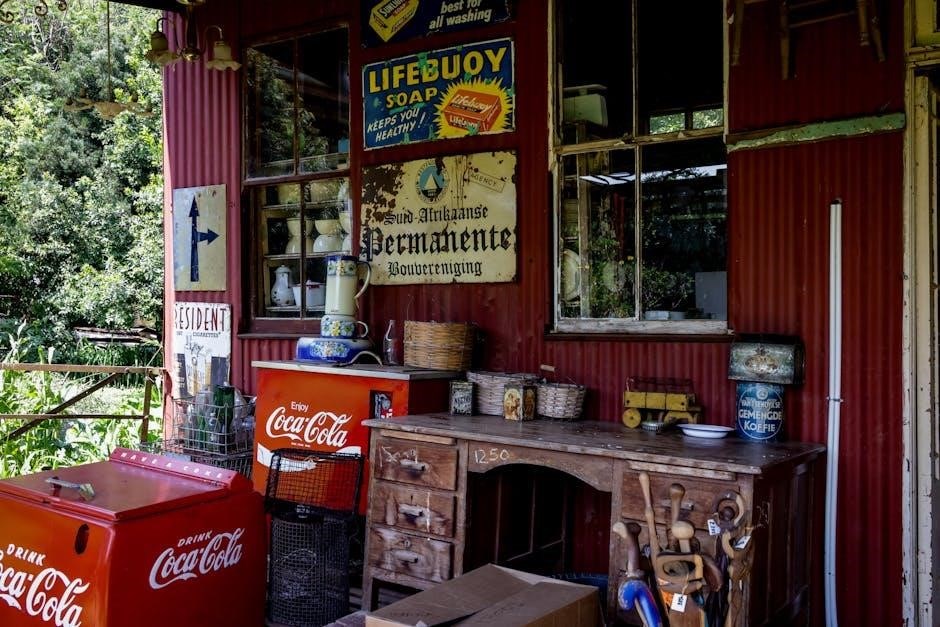
Vintage Coca-Cola coolers and vending machines represent a significant segment of the collectibles market, often fetching substantial prices depending on their model, condition, and rarity. Early porcelain coolers, particularly those from the 1930s and 40s, are highly prized. Restoration plays a crucial role in determining value; original paint and minimal repairs command premiums.
However, over-restoration can diminish worth. Vending machines, especially those with unique mechanisms or limited production runs, also attract dedicated collectors. Machines in working order are naturally more valuable. Prices can range from a few hundred dollars for heavily worn or damaged units to several thousand for pristine, fully functional examples. Factors like location (original store signage) and specific features (bottle capacity, lighting) further influence market value. Thorough research and professional appraisal are recommended before buying or selling.
Holiday-Themed Collectibles (Santa, Polar Bears) ⎻ Seasonal Pricing
Coca-Cola’s association with the holidays, particularly through its iconic Santa Claus and polar bear imagery, has created a robust market for seasonal collectibles. Prices for these items typically experience a surge in demand – and value – during the late fall and winter months. Vintage Santa Claus trays from the 1930s, featuring a pre-modern Santa, can command significant premiums, often exceeding several hundred dollars depending on condition.
Polar bear themed items, popularized in the 1990s, also hold strong appeal. Limited-edition ornaments, particularly those released early in the series, are highly sought after. Condition is paramount; mint-in-box items fetch the highest prices. Seasonal pricing fluctuations can be substantial, with values potentially doubling during the holiday season. Careful timing and understanding market trends are key for both buyers and sellers.

Coca-Cola Toys & Premiums ⎻ Identifying Original Items
The world of Coca-Cola toys and premiums is vast, encompassing everything from small promotional figures to larger-scale die-cast vehicles. Identifying original items requires diligent research and attention to detail. Early toys, often made of tin or celluloid, frequently bear distinct markings indicating the manufacturer and date of production; Look for crisp, clear printing and vibrant colors – signs of an authentic piece.
Reproduction items are common, so scrutinize materials and construction. Original toys often exhibit wear consistent with age, while reproductions may appear too pristine. Packaging, when available, is a crucial indicator of authenticity. Researching known variations and identifying subtle differences in design can help distinguish genuine collectibles from fakes. Online resources and collector communities are invaluable tools for verification and appraisal.

Factors Influencing Collectible Value
Authenticity, condition, and rarity are paramount; limited editions and strong collector demand significantly impact pricing, mirroring current market trends for these iconic items.

Condition & Authenticity ⎻ Grading Standards
Assessing a Coca-Cola collectible’s value begins with a rigorous condition evaluation. Grading standards, while not universally codified, generally follow a spectrum from “Mint” – flawless, as-new condition – down to “Poor,” exhibiting significant wear and damage. Mint condition items command substantial premiums. “Near Mint” shows only the slightest imperfections. “Excellent” displays minor wear consistent with age, while “Very Good” shows noticeable wear but remains intact.
“Good” items exhibit considerable wear, but are still complete, and “Poor” pieces are heavily damaged or incomplete. Authenticity is equally crucial; reproductions abound. Collectors scrutinize manufacturing details, logos, and materials to verify originality. Expert opinions and reputable appraisers are invaluable for confirming authenticity, especially for high-value pieces. Subtle variations in paint, glass, or printing can distinguish genuine articles from fakes. Careful examination under magnification is often necessary.
Rarity & Production Numbers ⎯ Limited Editions
Rarity is a primary driver of value in the Coca-Cola collecting world. Items produced in small quantities, or those with limited distribution, naturally fetch higher prices. Production numbers, when known, are critical. Early promotional items, test market releases, and commemorative editions often had restricted runs, increasing their desirability. Limited edition bottles, signs, and trays released for specific events or anniversaries are particularly sought after.
Variations within a series also contribute to rarity. Errors in printing, unique color combinations, or regional exclusives can significantly elevate an item’s worth. Identifying these nuances requires detailed knowledge and research. Collectors actively seek out pieces with documented low production figures or unique characteristics. The fewer examples available, the greater the potential for appreciation, making diligent research essential for informed collecting and investment.
Market Trends & Collector Demand ⎯ Current Pricing Analysis
As of December 31, 2025, the Coca-Cola collectibles market demonstrates sustained, though fluctuating, demand. Vintage advertising signs, particularly those in excellent condition, continue to command premium prices, often exceeding several thousand dollars. Early Hutchinson bottles and pristine contour bottles from the 1915-1930s era remain highly coveted. Online auction platforms and specialized collector forums are key indicators of current pricing.
Demand is influenced by nostalgia and cultural significance. Holiday-themed collectibles, especially those featuring Santa Claus or polar bears, experience seasonal price surges. The rise of online marketplaces has broadened collector access, but also increased competition. Current analysis suggests a growing interest in restoration projects, though authenticity remains paramount. Staying informed about recent sales and market reports is crucial for accurate valuation and successful collecting.