
A 504 Plan provides tailored support for ADHD students, ensuring equal educational access through specific accommodations like preferential seating and visual reminders, mandated by the Rehabilitation Act of 1973․
What is a 504 Plan?
A 504 Plan is a legal document under Section 504 of the Rehabilitation Act of 1973, ensuring students with disabilities, like ADHD, receive equal access to education․ It outlines specific accommodations and supports tailored to the student’s needs, such as preferential seating or extended time on assignments․ Unlike an IEP, a 504 Plan does not provide special education services but focuses on modifying the learning environment․ Eligibility is based on how the disability impacts education, requiring evidence of significant learning challenges․ The plan is developed collaboratively by parents, educators, and school staff, with the flexibility to be amended as needed․
Eligibility Criteria for ADHD Students
Eligibility for a 504 Plan is determined by the significant impact of ADHD on a student’s ability to access education․ Students must demonstrate that their ADHD substantially limits one or more major life activities, such as learning or behavior․ Schools require evidence, like academic underperformance or behavioral challenges, to qualify․ The plan is not solely based on an ADHD diagnosis but on its educational impact․ This ensures tailored accommodations are provided to support the student’s academic success and inclusion in the general education setting․
Key Differences Between 504 Plans and IEPs
A 504 Plan and an IEP are both legal documents, but they serve different purposes․ A 504 Plan is broader, covering any disability that substantially limits a major life activity, while an IEP is specific to students requiring specialized instruction under IDEA․ IEPs focus on academic goals and progress monitoring, whereas 504 Plans emphasize accommodations to ensure equal access․ Eligibility for a 504 Plan is based on the impact of the disability, not the need for special education․ This makes 504 Plans more flexible and widely applicable, especially for ADHD students who may not require intensive interventions․

Understanding ADHD and Its Impact on Learning
ADHD impacts learning through attention deficits, impulsivity, and hyperactivity, causing challenges in completing tasks and organizing work, affecting academic performance and social interactions significantly․
Common Challenges Faced by ADHD Students
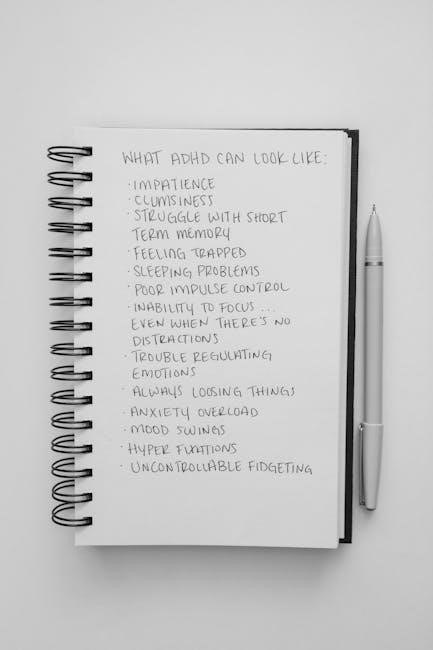
Students with ADHD often struggle with staying on task, managing distractions, and completing assignments․ Impulsivity and hyperactivity can disrupt classroom environments, while difficulties with organization and time management hinder academic progress․ Many face challenges with social interactions, leading to feelings of isolation․ Additionally, emotional regulation struggles can result in frustration or impulsive behaviors․ These challenges underscore the need for tailored support to ensure academic and social success․
How ADHD Affects Academic Performance
ADHD significantly impacts academic performance by affecting focus, organization, and time management․ Students often struggle to stay on task, leading to incomplete assignments and poor grades․ Impulsivity may result in careless errors or disruptive behaviors․ Difficulty with organization can cause lost materials or missed deadlines․ Additionally, challenges with self-regulation may lead to emotional frustration, further hindering progress․ These issues highlight the importance of implementing targeted accommodations to support learning and help students achieve their academic potential․
The Importance of Early Intervention
Early intervention is crucial for ADHD students, as it addresses challenges before they intensify․ Identifying needs early allows for timely implementation of 504 accommodations, such as seating near the teacher or using visual reminders․ This support helps students develop better focus, organization, and self-regulation skills․ Early intervention also fosters improved academic performance and social interactions․ By addressing difficulties early, educators and parents can create a foundation for long-term success, helping students build resilience and self-advocacy skills that benefit them throughout their educational journey․
Classroom Accommodations for ADHD Students
Classroom accommodations for ADHD students include seating near the teacher, visual reminders, movement breaks, and fidget tools to minimize distractions and improve focus and engagement․
Seating Arrangements to Minimize Distractions
Strategic seating is a key accommodation for ADHD students․ Placing them near the teacher or a positive peer reduces distractions․ Avoid seating near windows, doors, or noisy areas․ Some plans include noise-canceling headphones or visual barriers to enhance focus․ Proximity to the teacher ensures the student stays engaged and receives reminders to stay on task․ This arrangement helps minimize environmental distractions, allowing the student to concentrate better and participate actively in classroom activities․
Use of Visual Reminders and Checklists
Visual reminders and checklists are essential tools for ADHD students․ Placing key points on a board or providing individual notecards helps maintain focus․ Checklists break tasks into manageable steps, reducing overwhelm․ These tools promote organization, task completion, and accountability․ For example, a daily schedule or behavior chart can guide students, while visual cues remind them to stay on task․ This accommodation fosters independence and consistency, helping students navigate classroom expectations and responsibilities more effectively․
Providing Movement Breaks and Fidget Tools
Movement breaks and fidget tools are effective accommodations for ADHD students․ Allowing short breaks for stretching or walking helps regulate focus․ Fidget tools, such as stress balls or spinners, provide an outlet for excess energy, reducing hyperactivity․ These strategies enable students to stay engaged and manage impulsivity․ Incorporating movement breaks into the daily routine and offering fidget tools during tasks can significantly improve concentration and academic performance, making them essential components of a 504 plan for ADHD students․
Assisting with Transitions and Time Management
Assisting ADHD students with transitions and time management is crucial for their success․ Providing advance warnings before transitions helps reduce anxiety; Visual timers and checklists can enhance organization and task completion․ Breaking larger tasks into smaller, manageable steps reduces overwhelm․ Offering frequent reminders and clear expectations supports time management skills․ These strategies help students navigate transitions smoothly and stay on track, fostering independence and confidence in their academic environment․
Behavioral and Emotional Support Strategies
Behavioral and emotional support strategies for ADHD students include positive reinforcement, self-regulation techniques, and access to counseling, fostering a supportive environment that promotes emotional well-being and academic success․
Positive Behavioral Interventions and Supports (PBIS)
Positive Behavioral Interventions and Supports (PBIS) focus on creating a structured, supportive environment for ADHD students․ This approach emphasizes positive reinforcement, clear expectations, and consistent consequences to encourage appropriate behavior․ Strategies include verbal praise, visual reminders, and behavior charts to monitor progress․ PBIS also incorporates proactive interventions, such as teaching self-regulation skills and providing breaks, to reduce disruptive behaviors․ By addressing the root causes of misconduct and reinforcing positive actions, PBIS helps ADHD students develop better self-control and improve their overall classroom behavior, fostering a more inclusive and productive learning environment․

Teaching Self-Monitoring and Self-Regulation Skills
Teaching self-monitoring and self-regulation skills empowers ADHD students to manage their behavior and emotions effectively․ Strategies include using checklists, visual timers, and self-assessment tools to help students track their progress․ Educators can model and reinforce these skills through explicit instruction and positive feedback․ For example, teaching students to recognize triggers, use deep breathing exercises, or employ the “Stop, Think, Act” method can improve self-control․ These techniques enable students to monitor their actions, regulate impulses, and maintain focus, fostering independence and confidence in academic and social settings․
Providing Emotional Support and Counseling Services
Providing emotional support and counseling services is crucial for ADHD students, helping them manage stress, anxiety, and emotional challenges․ Schools often include counseling as part of a 504 plan, offering one-on-one sessions or group therapy․ These services aim to improve self-esteem, teach coping strategies, and address social skills․ Collaboration with school counselors and mental health professionals ensures tailored support, fostering a positive emotional environment․ Regular check-ins and progress monitoring help students develop emotional resilience, enabling them to thrive academically and socially․

Academic Accommodations and Modifications
Academic accommodations for ADHD include extended time, smaller task breakdowns, note-takers, and assistive technology, ensuring students can access learning materials effectively and complete assignments successfully․
Extended Time for Assignments and Tests
Extended time is a common 504 accommodation for ADHD students, allowing them to complete assignments and tests without feeling rushed․ This reduces anxiety and improves focus․ Schools often provide additional time or flexible deadlines to ensure students can process information and demonstrate their knowledge effectively․ For example, breaking larger tasks into smaller, manageable parts or offering frequent breaks during long tests can enhance understanding and performance․ This accommodation is tailored to individual needs and is a key component of a 504 Plan for ADHD students․
Breaking Down Larger Assignments into Smaller Tasks
Breaking larger assignments into smaller, manageable tasks is a highly effective 504 accommodation for ADHD students․ This strategy helps reduce overwhelm and improve focus by creating clear, step-by-step goals․ Teachers can provide detailed checklists or visual schedules to guide students through each part of the assignment․ Additionally, frequent check-ins and one-on-one support can ensure the student stays on track․ This approach not only enhances organization but also builds confidence and reduces anxiety, making it easier for ADHD students to complete their work successfully․
Providing Note-Takers or Study Guides
Providing note-takers or study guides is a valuable 504 accommodation for ADHD students, helping them stay organized and focused․ This support reduces the burden of capturing all information during lessons, allowing students to concentrate on understanding the material․ Note-takers can be peers or professionals, while study guides often include pre-prepared outlines or graphic organizers․ These tools help students manage their workload, reduce anxiety, and improve academic performance by ensuring they have clear, structured resources to reference throughout the year․
Allowing the Use of Assistive Technology
Allowing the use of assistive technology is a critical 504 accommodation for ADHD students, helping them overcome challenges with organization, focus, and task completion․ Tools like text-to-speech software, speech-to-text programs, and mind mapping apps can enhance writing and reading abilities․ Additionally, digital organizers and reminders assist with time management and task prioritization․ These technologies empower students to work independently, reducing frustration and boosting confidence․ By incorporating assistive technology, educators can create a more inclusive and supportive learning environment tailored to the unique needs of ADHD students․
State-Specific Resources and Guidelines
State-specific 504 accommodation guides provide tailored support for ADHD students, outlining local policies and procedures․ These resources help parents and educators navigate regional requirements effectively․
Accessing State-Specific 504 Accommodation Guides
State-specific 504 accommodation guides are available online, offering detailed resources for ADHD students․ These guides include checklists, templates, and examples of accommodations like seating arrangements and visual reminders․ Parents and educators can access these through state education websites, ensuring compliance with local policies․ They provide clarity on eligibility criteria and procedural safeguards, helping to create tailored plans․ Regular updates and annual reviews ensure accommodations remain effective, addressing the unique needs of ADHD students while aligning with federal and state regulations․
Understanding Local Policies and Procedures
Understanding local policies and procedures is crucial for implementing effective 504 plans for ADHD students․ Each state and school district may have specific guidelines, so reviewing local resources is essential․ Many states provide detailed guides, checklists, and templates to help parents and educators navigate the process․ These resources often outline procedural safeguards, eligibility criteria, and accommodation examples․ By familiarizing yourself with local policies, you can ensure compliance and create a plan that aligns with both federal and state requirements, providing tailored support for ADHD students․
Role of State Education Departments in 504 Plans
State education departments play a vital role in overseeing the implementation of 504 plans, ensuring compliance with federal and state laws․ They provide guidelines, training, and resources for schools to develop and execute effective accommodations for ADHD students․ Additionally, state departments often handle disputes and complaints related to 504 plans, offering support to both families and educators․ Their oversight ensures that students receive consistent and equitable access to educational opportunities, aligning with the legal framework established by Section 504 of the Rehabilitation Act․

Examples of 504 Accommodation Plans for ADHD
Examples of 504 plans include seating near the teacher, visual reminders, and movement breaks, tailored to individual ADHD needs, ensuring academic and behavioral support․

Sample 504 Plan Templates
Sample 504 plan templates provide structured frameworks for outlining accommodations, such as seating near the teacher, visual reminders, and movement breaks․ These templates often include sections for student information, disability details, and specific accommodations․ A checklist of common ADHD accommodations, like extended time for assignments or noise-canceling headphones, is frequently included․ Parents and educators can download these templates from educational resources or state-specific guides, ensuring consistency and compliance with Section 504 requirements․ They are customizable to meet individual student needs, making them practical tools for creating effective 504 plans․

Case Studies of Successful 504 Plans
Case studies highlight how 504 plans have positively impacted ADHD students․ For example, a kindergarten student with ADHD thrived with accommodations like seating near the teacher, visual reminders, and transition warnings․ In first grade, adding a designated line spot improved behavior․ By second grade, removing noise-canceling headphones and protecting recess as a punishment further supported success․ These examples demonstrate how tailored accommodations can address specific challenges, fostering academic and behavioral growth․ They emphasize the importance of collaboration between parents and educators in creating effective, adaptable plans․
How to Customize Accommodations for Individual Needs
Customizing 504 accommodations involves tailoring strategies to address specific challenges․ Parents and educators collaborate to identify individual needs, such as seating preferences or assistive tools․ Regular progress monitoring ensures accommodations remain effective․ Adjustments are made based on student feedback and performance․ For example, removing noise-canceling headphones or modifying transition supports can enhance outcomes․ This personalized approach ensures each student receives targeted support, fostering academic and behavioral success․ Regular reviews and open communication between parents and educators are key to maintaining effective, adaptable plans․

Legal Rights and Advocacy for Parents
Under Section 504, parents have legal rights to ensure their child receives appropriate accommodations․ Understanding these rights empowers parents to advocate effectively for their child’s educational needs․
Understanding Parental Rights Under Section 504
Parents of children with ADHD have specific rights under Section 504, including the right to participate in the development of their child’s 504 Plan․ This involves being informed about all aspects of the plan, such as the accommodations and services provided․ Parents also have the right to request modifications or additions to the plan if they believe it is necessary for their child’s education․ Additionally, they can file a complaint or request a due process hearing if they feel their child’s rights are being violated․ Understanding these rights is crucial for ensuring that children with ADHD receive the support they need to succeed in school․
How to Advocate Effectively for Your Child
Advocating effectively for your child with ADHD under Section 504 involves collaboration, preparation, and clear communication․ Start by building a positive relationship with teachers and administrators․ Document your child’s challenges and the impact of ADHD on their learning․ Request specific accommodations, such as preferential seating or extended time, and ensure they are included in the 504 Plan․ Stay informed about your rights and your child’s progress, and follow up regularly to monitor implementation․ Consistent advocacy ensures your child receives the support they need to thrive academically and emotionally․
Dispute Resolution Processes
If disagreements arise regarding 504 accommodations for ADHD, several dispute resolution processes are available․ Parents can request mediation or file a formal complaint with the school district․ If unresolved, a due process hearing may be conducted, allowing both parties to present evidence․ The Office for Civil Rights (OCR) also investigates complaints under Section 504․ Documentation and clear communication are crucial throughout these processes․ Understanding your rights and maintaining open dialogue with educators can help resolve conflicts effectively, ensuring your child receives appropriate support and accommodations․

Monitoring and Updating the 504 Plan
Regular progress monitoring and annual reviews ensure the 504 Plan remains effective․ Collaboration between parents and educators leads to necessary adjustments, supporting the student’s ongoing success․
Regular Progress Monitoring
Regular progress monitoring ensures the 504 Plan’s effectiveness․ Teachers track academic and behavioral improvements, providing feedback to parents․ Adjustments are made to accommodations based on observed progress, ensuring the student’s needs remain met․ This ongoing process involves collaboration between educators and parents, with data collected through observations, assignments, and assessments․ The goal is to refine support strategies, fostering continued growth and success for students with ADHD․ Consistent monitoring guarantees accommodations remain relevant and impactful throughout the school year․
Annual Review and Revision of Accommodations
The 504 Plan requires an annual review to assess its effectiveness and ensure accommodations remain appropriate․ Parents, educators, and sometimes the student meet to discuss progress, challenges, and any needed adjustments․ This review evaluates whether current accommodations are supporting the student’s academic and behavioral goals․ Revisions are made to reflect changes in the student’s needs, ensuring continued support․ The annual review is a critical step in maintaining a tailored and effective plan for students with ADHD, promoting their ongoing success and well-being․
Collaboration Between Parents and Educators
Effective collaboration between parents and educators is essential for implementing and maintaining a successful 504 Plan for ADHD students․ Parents provide valuable insights into their child’s needs and behaviors, while educators offer expertise in classroom strategies and accommodations․ Regular communication ensures consistency in supporting the student’s academic and behavioral goals․ This teamwork fosters a positive learning environment and helps address challenges promptly․ By working together, parents and educators can monitor progress, adjust accommodations as needed, and ensure the student receives the support necessary for success․ Collaboration is key to maximizing the effectiveness of the 504 Plan․
Section 504 accommodations empower ADHD students to thrive academically and emotionally, ensuring equal access to education through tailored support and collaboration between parents, educators, and students․
Section 504 accommodations for ADHD provide tailored support to ensure students’ academic and emotional success․ Key points include eligibility based on disability impact, distinctions from IEPs, and legal rights․ Accommodations like preferential seating, visual reminders, and movement breaks address specific challenges․ Collaboration between parents and educators is crucial for plan effectiveness․ Regular monitoring and updates ensure ongoing support, fostering an inclusive learning environment tailored to individual needs, as outlined in comprehensive guides and resources available for parents and educators․
Final Thoughts on Supporting ADHD Students
Supporting ADHD students requires a comprehensive approach, combining tailored accommodations, collaboration, and empathy․ A well-crafted 504 Plan empowers students to thrive academically and emotionally․ By addressing individual needs, fostering a supportive environment, and ensuring legal rights are upheld, educators and parents can make a lasting impact․ Early intervention, consistent monitoring, and open communication are key to helping ADHD students build resilience and confidence, setting them on a path to long-term success and well-being․